
Category: Bill Reduction

  • Upside at the Local Pump: My Real Cash Back So Far

    Upside at the Local Pump: My Real Cash Back So Far

    I don’t stack twelve gas apps. I use Upside when I fill up locally — mostly at Huck’s — claim the offer, pump, and wait for the cash back to clear.

    That’s it. This isn’t a “best cashback apps 2026” list. It’s what one app has actually paid me.

    The honest numbers

    As of early September 2026, my Upside Activity screen shows about $80.25 lifetime. August was only about $1.55. A couple of September fill-ups are still processing. One August claim sat in “Needs review.” So the app isn’t magic — some trips pay, some wait, some need a second look.

    A dime a day from gas cash back would be about $3 a month. I’m not there as a steady daily rate. The lifetime total is real money that came back after purchases I was making anyway. That’s the only reason it stays on my phone.

    How I actually use it

    1. Open Upside before I pay.
    2. Claim the offer for the station I’m at.
    3. Fill up.
    4. Let the app check me in / confirm the trip.
    5. Cash back lands in the Upside wallet when it clears — then I withdraw when it’s worth the trip.

    I mostly do gas. Groceries and restaurants exist in the app; I’m not pretending I run those every week.

    What this is (and isn’t) on The Dime Effect

    Bill reduction / everyday cash back sits next to the streams that “earn.” Less leaving the account is still progress. I’m not counting Upside as one of the 24 until I decide it belongs on the roster as its own line — for now it’s a habit that occasionally pays.

    Referral note: Upside’s personal invite code is for friends. I’m not putting that code on this blog. If I get an approved affiliate link later, I’ll swap it in and say so. Until then, if you want the app, use the normal download: Upside. Get Upside → https://www.upside.com.

    The Dime Effect take

    Small, local, repeatable. Claim, pump, wait. Lifetime eighty bucks isn’t a business. It’s proof the path from “I already buy gas” to “ten cents came back” connects. When a clearer affiliate path exists, this post gets the link. Until then, it’s just the truth about my fill-ups.

    A dime can make a difference. Sometimes it’s fifteen cents a gallon.

    — John
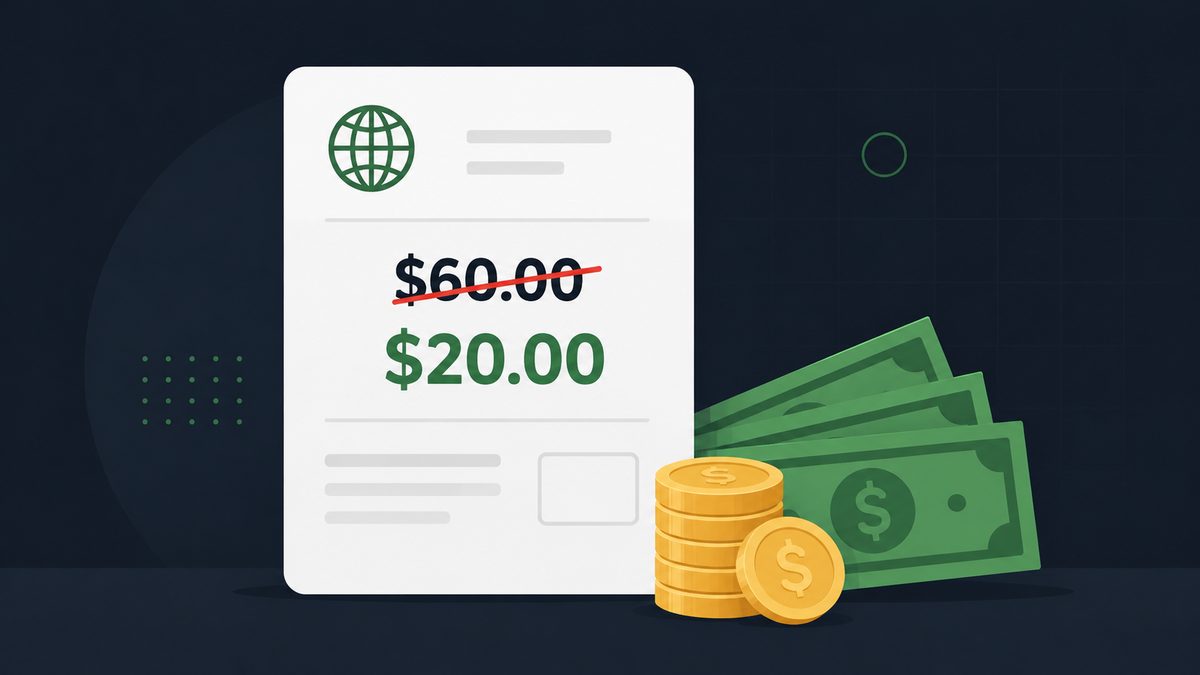
  • How I Reduced My Internet Bill by 66% with Rocket

    How I Reduced My Internet Bill by 66% with Rocket

    Some links in this post are referral links — if you sign up I may earn a small bonus, at no cost to you.

    I’ve been paying $60 a month for internet. Not because I shopped around, not because I called to negotiate — just because that’s what the bill said and I kept paying it.

    Then I tried Rocket.

    Rocket is a bill negotiation service. You hand them your bill, they call your provider and haggle on your behalf. I didn’t have to sit on hold. I didn’t have to argue with a rep. I just waited.

    They got my internet down from $60 to $20 a month. That’s $40 saved every single month.

    The honest math

    I used their automatic service, which charges 40% of your annual savings. I’m saving $480 over the year, so they took $192 upfront.

    That means my real first-year savings are $288, not $480. Spread that over 12 months and it’s effectively $24 a month in my pocket — not $40. Or said another way, I’m still paying $16 a month for the time savings.

    Was it worth it?

    Probably. Could I have called my provider and done this myself? Almost definitely. Internet companies negotiate all the time — you just have to ask.

    But here’s the thing: I wasn’t going to do it. That call had been sitting on my mental to-do list for months. Rocket actually did the thing I kept putting off, and now I have a lower bill locked in.

    Year two? That $40 a month is just mine. No fee. That’s when it really pays off.

    If you’re the type to actually make the call yourself, skip the service and just call. But if you’re like me and that call is never quite happening — Rocket might be worth the fee just to get it done.

    The Dime Effect take

    This isn’t a passive income stream, but it’s a fixed-expense reduction — which is basically the same thing. Less going out is more staying in. I’ll take it. Bill reduction is actually stream #21 on my full list of 24 income streams — this was the first real win from it.